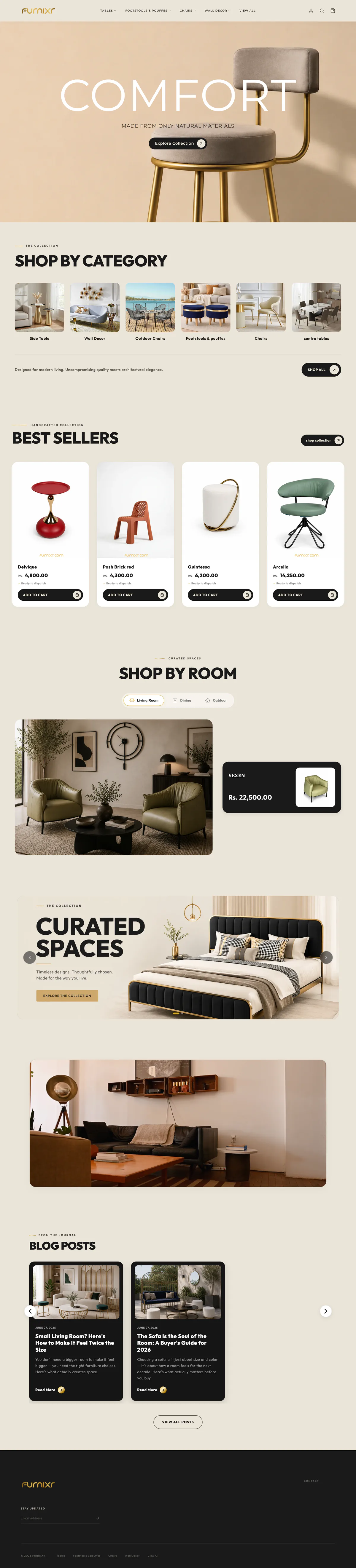
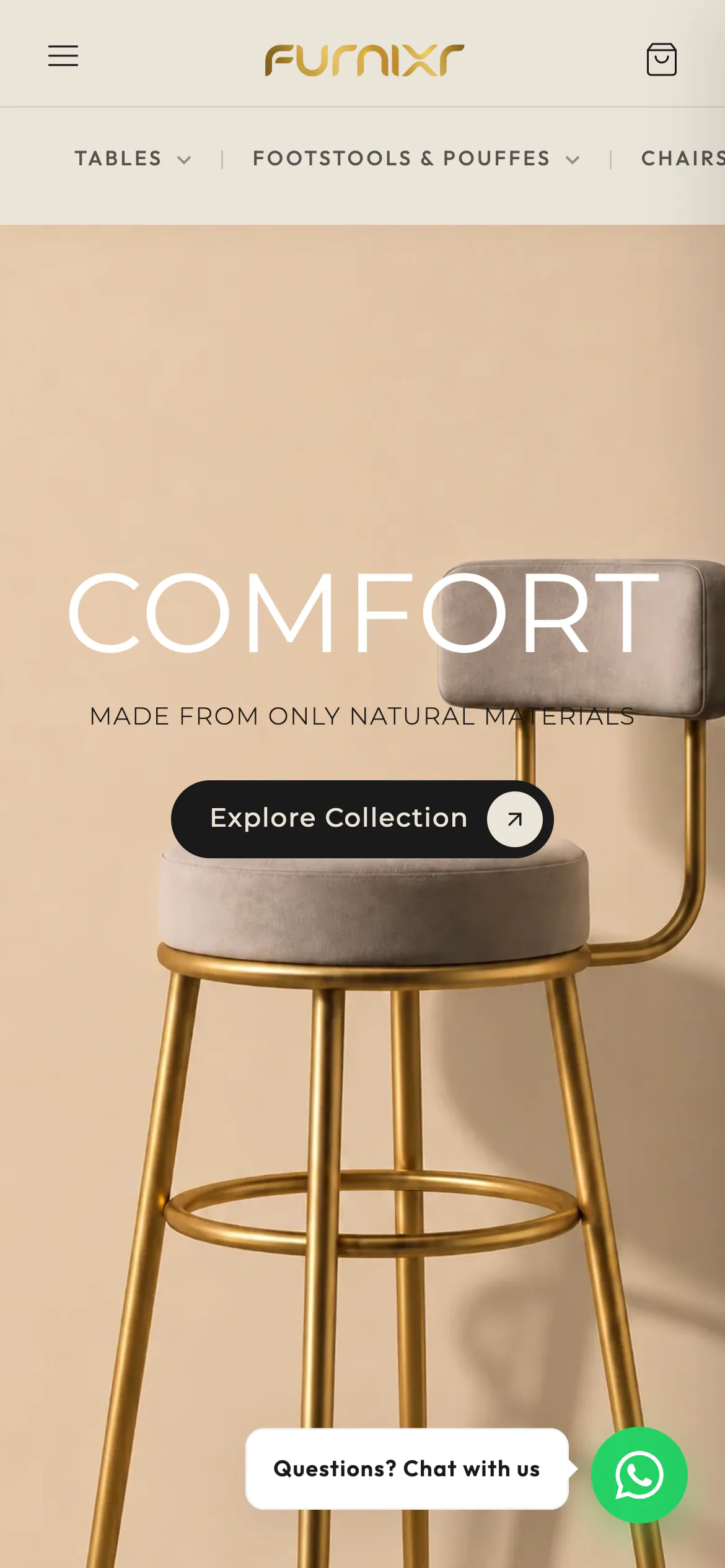
Furnixr
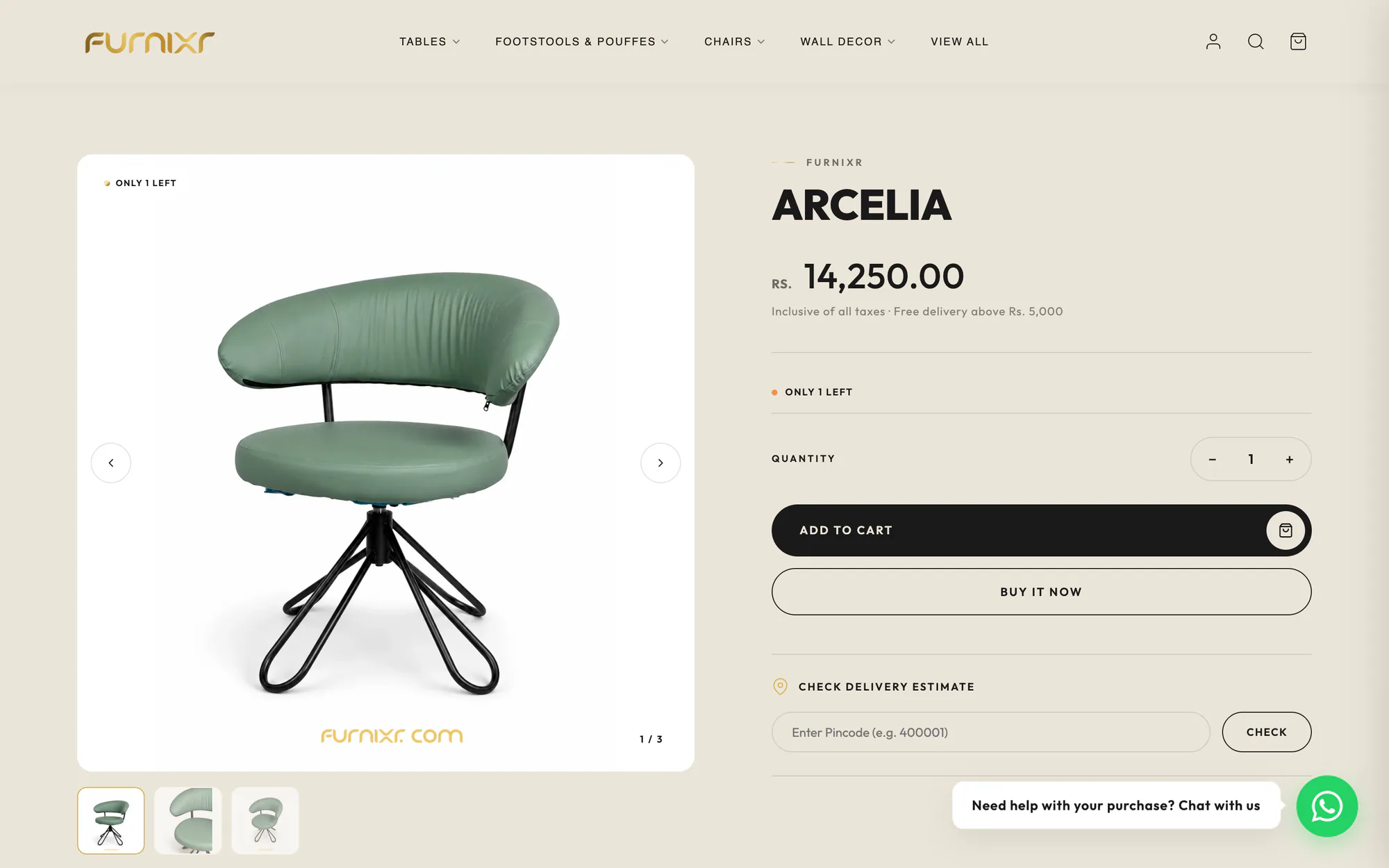
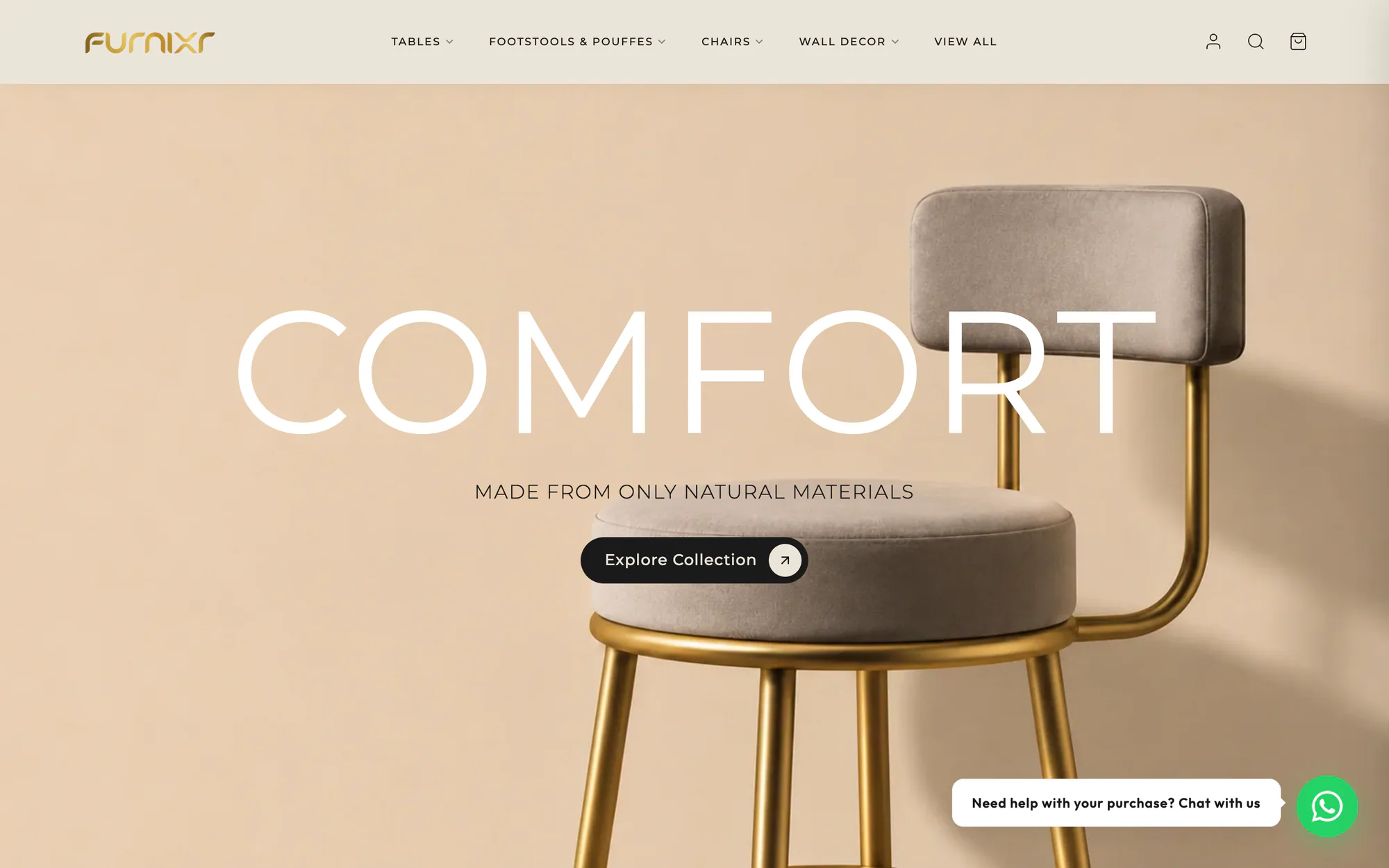
Chairs, tables and decor, with a cart that hands the order to WhatsApp.
Build · Systems that do the work
Marketlube builds e-commerce websites from Calicut, Kerala, for D2C and retail brands selling across India and the GCC. We design and develop Shopify, WooCommerce and headless Next.js stores with payments, shipping, tracking and product feeds set up, ready for ads on day one.
Our work for e-commerce development, newest first
A store that looks good but loses people at checkout is a leaking bucket, and every rupee you spend on ads pours into it. Slow product pages, surprise shipping costs, no COD, a five-step checkout: each one quietly kills conversion.
We design stores around the buying journey: product pages that answer the questions a shop assistant would, collections that make browsing easy, and a checkout with UPI, cards, COD and wallets, the payment options Indian buyers expect. As a Shopify development company in Kerala we build custom or carefully customised themes, never a template left as it came; for brands that need full control, we build on WooCommerce or headless Next.js.
Selling to Dubai and the GCC adds its own layer: AED and SAR pricing, Tabby and Tamara instalments, cross-border shipping and VAT-ready invoices, and an Arabic storefront where your market needs one, scoped with a native Arabic writer before we quote. We plan for both markets from the start, and wire GA4 e-commerce events and Meta Conversions API before launch so your ads optimise to real purchases.
Service targets and planning benchmarks, not claims about any client’s results.
Six parts, scoped to what you need and quoted before anything starts.
Our work for e-commerce development, newest first
Custom or carefully customised Shopify themes, with apps configured for speed, merchandising and easy day-to-day running.
WordPress-based stores when you need rich content, custom logic or no platform transaction fees.
Next.js storefronts on Shopify or custom back-ends, for brands that have outgrown themes.
Razorpay, UPI, COD, Stripe, Tabby and Tamara, with Shiprocket and GCC couriers integrated.
Product pages, search, filters and a short checkout designed around how your buyers decide.
GA4 e-commerce events, Meta CAPI, Google Merchant Center and catalogue feeds live at launch.
Every stage has an owner, a deliverable and a sign-off, all agreed with you before it starts.
Book a discovery callCatalogue, operations, payments and shipping mapped, and the right platform chosen for your business.
Home, collection, product, cart and checkout designed mobile-first and prototyped in Figma.
Theme or storefront development, product import, integrations and testing on a staging store.
Payment and order-flow testing, tracking verification and speed checks, then the store opens for business.
Post-launch CRO, feed management and ads, or a clean hand-over to your team.
E-commerce
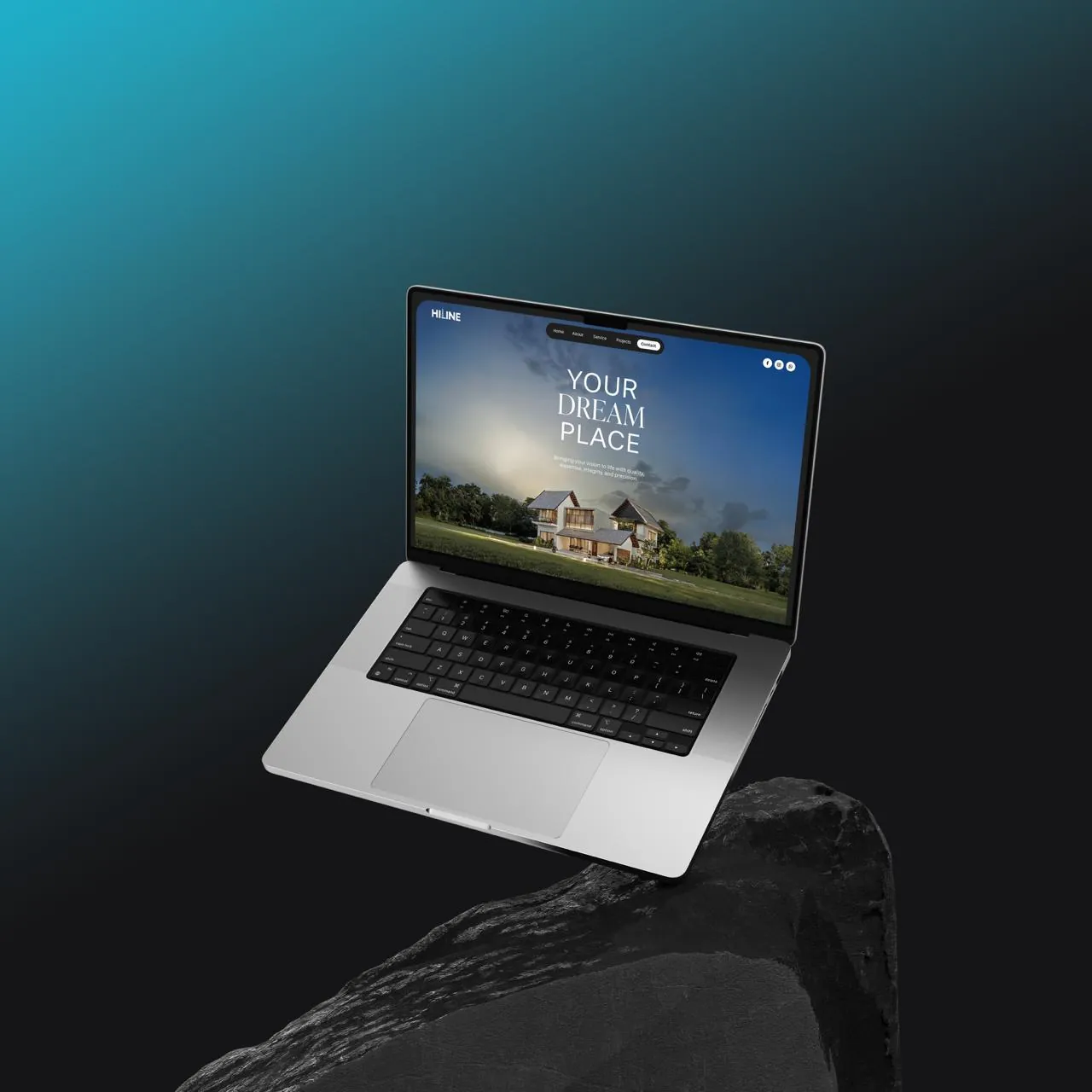
Shops we designed and built for D2C brands.
Each store’s home page scrolls by itself, one at a time.
Chairs, tables and decor, with a cart that hands the order to WhatsApp.
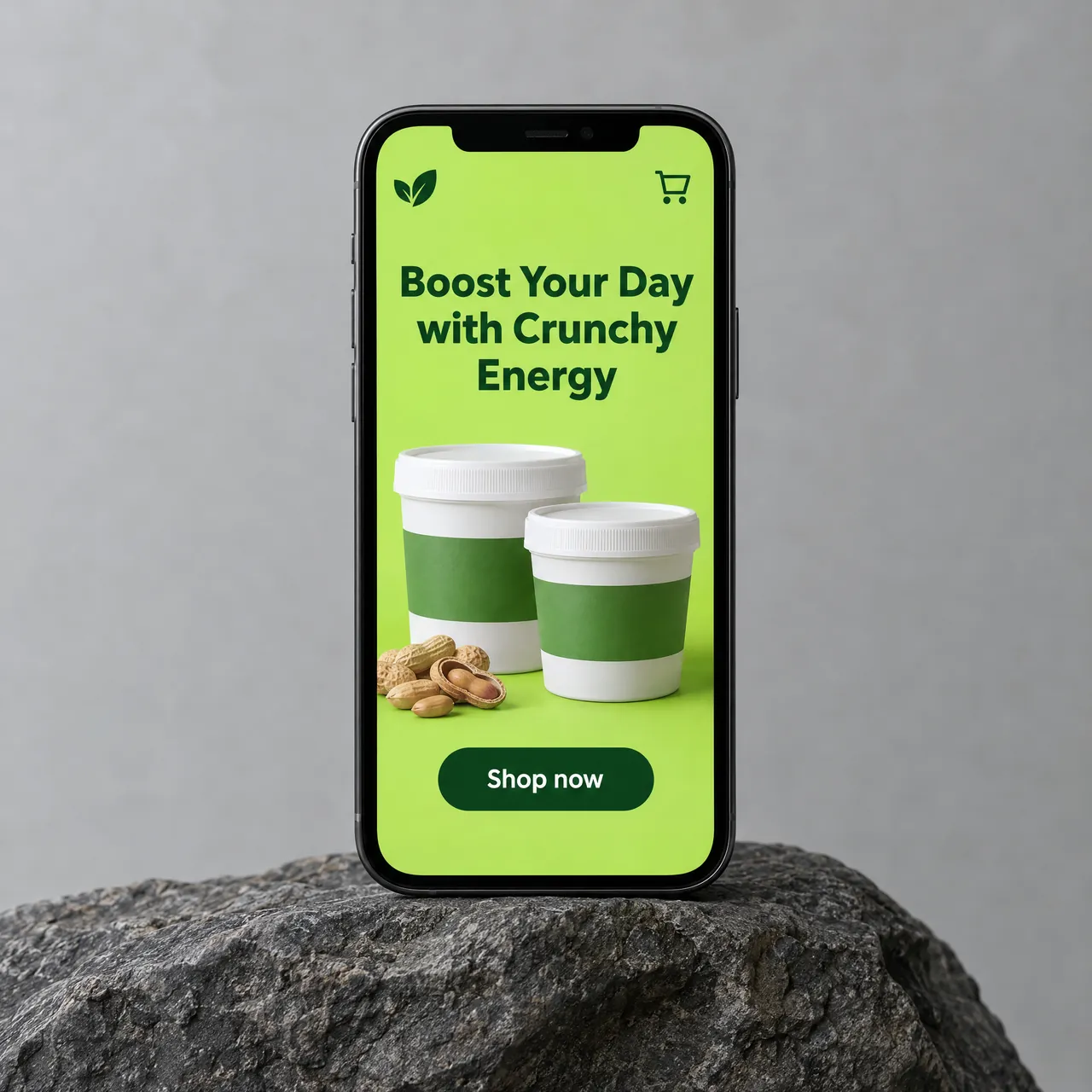
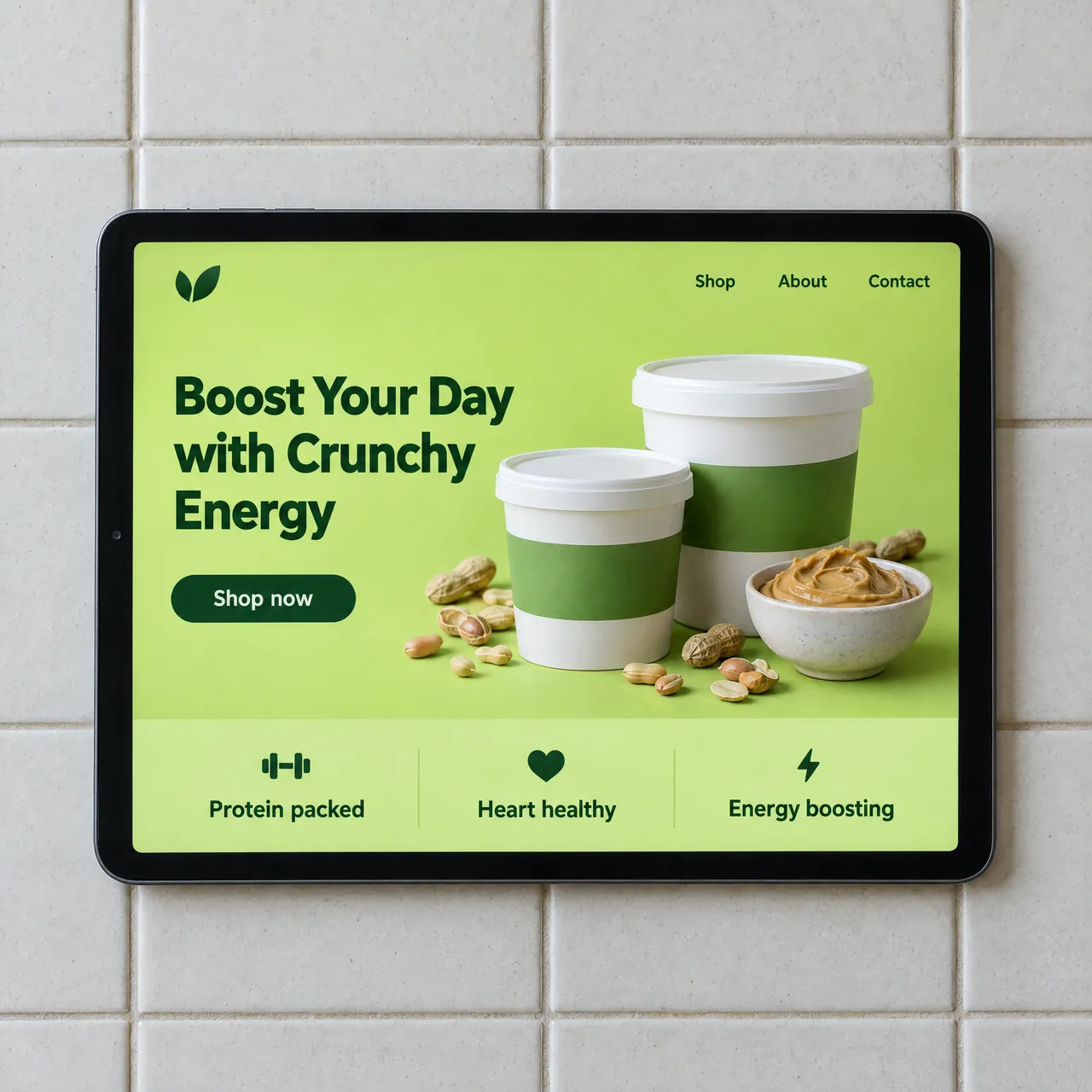
A bright, mobile-first store for a peanut butter brand, matched to its packaging.
Meet Althameem Ali, co-founder
Althameem Ali, Marketlube's co-founder, is a small partner in The Healthy Sugar Company.
Something else on your mind? Ask us directly on WhatsApp, by email or over a call.
Shopify is faster to launch, easier to run and very reliable, with a monthly fee and some transaction costs. WooCommerce gives you more control and no platform fees, but needs more upkeep. Most D2C brands in Kerala start well on Shopify; content-heavy or highly custom stores often suit WooCommerce.
Your catalogue and payments set the price: how many products we load, and which gateways, COD rules and couriers we connect. A Shopify store starts from ₹1.2 lakh and a custom store on WooCommerce or a headless build from ₹1.5 lakh, with up to 50 products set up from your sheet. In the UAE they start from AED 12,000 and AED 15,000 (the same figure in QAR or SAR); an Arabic storefront is scoped separately, with a native Arabic writer. Prices are before GST (18%) in India and before VAT where it applies in the Gulf. Shopify's plan and apps, gateway fees and hosting are billed at cost. Most stores launch 6 to 10 weeks after the scope is signed, or 8 to 12 for a custom build.
Yes. We set up multi-currency pricing, GCC payment options like Tabby and Tamara, and cross-border shipping. Saudi buyers expect an Arabic storefront, so it's scoped with a native Arabic writer before we quote; the stores we've built so far are in English. We also flag where you may need a local entity or VAT registration, so your accountant can confirm the details before launch.
Yes. Cash on delivery, UPI, cards, net banking and wallets through Razorpay or similar gateways, with COD verification rules to cut fake orders and returns-to-origin.
Most stores launch 6–10 weeks after sign-off. Product data (photos, descriptions and variants) is usually the slowest part, so we start on it early.
Yes. The same team runs performance marketing, SEO and social, so the tracking set up at launch feeds straight into campaigns. Every enquiry a site or store we build brings in can land in Xale with its campaign attached, so the leads your ads win never leak after the click. Or we hand over cleanly, with training and documentation.
Start a project
Tell us where you want to be in 12 months. A strategist replies within one working day, and after a short call the plan, the numbers and the team follow in writing within 48 hours.
Every rupee you spend with us has to earn its keep.